
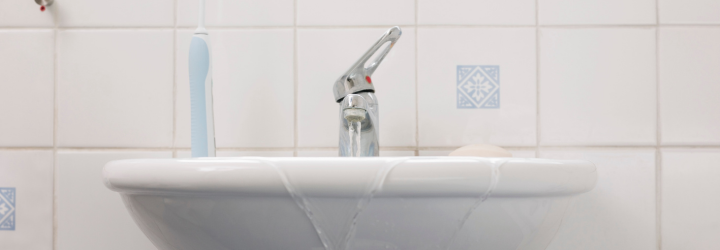
You’re in a hurry in the morning when suddenly you realize the sink is taking much longer to drain, the faucet was left running, and the hole around the rim is preventing the basin from filling to the top and overflowing onto the floor. Few people think about the bathroom sink overflow. Yet, it is one of the most ignored components of a sink system, but it is still an important part of protecting your home from water damage. As you have no doubt gathered from our title, at CMS Restoration, we know a thing or two about preventing home disasters and dealing with the aftermath, from hard water to drastic climate changes. Our city’s fixtures have been through the wringer and need to be kept in top shape.
To help you in your maintenance quest, we wanted to provide answers to some of our customers’ most frequently asked questions about overflow in bathroom sinks and how to maintain them so your bathroom sink is clean, odorless, and drains as it should.
Table of contents
Estimated reading time: 6 minutes
What Is a Bathroom Sink Overflow?
A bathroom sink overflow is the small opening at the upper rim of most bathroom sinks. Although seemingly insignificant, the overflow hole has an important function. It is there in case the drain becomes blocked, or if the water volume coming from the faucet is too high to drain fast enough to prevent overflow, and it will divert the water into the drain to keep the water level at bay. It also aids in drainage speed and quality by allowing air to enter the drainpipe, thereby preventing gurgling noises. Not all sinks have one. Some vessel sink types don’t incorporate it into the design. Check the fixture on your bathroom sink to see if it has an overflow channel.
If the feature works properly, it will help keep the overflow of water off:
- Floors
- Cabinets
- Walls
How an Overflow Works
The actual mechanism of the sink overflow system may be hard to visualize. The opening in the overflow hole leads into a channel built into the sink that connects the overflow to the drain. It acts as a drain backup by keeping the water level low as it enters the drain, preventing the sink from spilling onto the bathroom floor. The channel also aids in drainage by allowing air to enter the system, thereby helping water drain more quickly. Much like the small opening at the top of a jug of juice that helps it pour smoothly, a sink overflow helps water drain smoothly and without gurgling.
What Problems Does an Overflow Have?
An overflow channel is hidden, so you will need to know what signs to look for if you notice anything wrong. It could be a sign of a blockage or dirty overflow.
Look for:
- Your sink is draining slowly, even if the drain pipe is clear
- Gurgling sounds from your sink or other noises you have never heard before
- Musty smells or unpleasant odors near the basin
- Visible buildup around the overflow
If any of these signs are present, it could be a blocked overflow channel, and it’s time to clean. If you want to avoid plumbing disasters that might require calling CMS Restoration for water or mold cleanup, act as soon as you notice the problem. In many cases, it is the homeowner who can act on these minor signs before they cause more damage and does not have to make an emergency call later.
How to Clean a Bathroom Sink Overflow Channel
Cleaning and maintenance of your overflow hole should be done regularly, as soap scum, debris, and bacteria can accumulate in the hidden channel. The good news is, you can clean it yourself. Begin by:
- Mix some baking soda into some warm water or a diluted vinegar solution.
- Using a small funnel to pour the liquid solution into the overflow hole.
- Using a small bottle brush or pipe cleaner to work the cleaner around to dissolve any buildup.
- Flushing with warm water to rinse.
We suggest cleaning the overflow hole monthly and a more intense cleaning every few months. Regular low-maintenance upkeep will deter smell, promote proper drainage, and extend the lifespan of your sink.
Common Issues With an Overflow
There are three main problems associated with an overflow, and they can be prevented with regular maintenance.
Clogs
Clogs are the most common problem in an overflow and occur when hair, soap, and mineral deposits clog drainage and airflow.
Odor Issues
Odor issues from the overflow hole result from buildup inside the channel that bacteria can feed on, often leading to bad smells that homeowners attribute to a blocked main drain.
Mold and Mildew
Mold and mildew are a concern because they provide excellent environments for growth due to their dark, moist channels. As a restoration company, CMS Restoration believes mold poses greater danger than the others due to its effects on indoor air quality and your home’s health, especially for families with kids. Keep your bathroom clean and your home safe by being proactive with these issues.
Resource: epa.gov
Maintenance vs Plumbing
Overflow maintenance is a task you can take on. Cleaning the overflow hole is something that every homeowner should do. Cleaning with natural solutions and flushing the channel are great maintenance tasks, and addressing the more common overflow blockages caused by surface buildup is also easily manageable on your own. There are instances when you will want to call CMS Restoration for help, especially if the issue has caused water damage, lingering odors, or possible mold. If the odors don’t go away with a thorough cleaning, clogs may occur frequently and may be in the overflow channel or elsewhere in the system.
Colorado Springs Overflow Information
Here are some things our Colorado Springs homeowners should keep in mind when looking at maintaining their sink overflow:
- The hardness of our water can lead to mineral buildup, so keeping an eye out for buildup inside the channel by cleaning more often can help prevent clogs.
- Another thing to consider is the seasons in Colorado Springs, with dry winters and changeable weather year-round, which affect your home’s plumbing.
- Lastly, we have many older established neighborhoods that house older fixtures and homes that can be inspected regularly for wear and tear.
For total whole-home peace of mind, we suggest regular overflow maintenance along with every 6-month home plumbing maintenance, so small concerns can be addressed long before they result in water damage requiring CMS Restoration.
Final Thoughts
The small overflow hole serves an important function by helping your sink drain more effectively while preventing water damage to your home. With regular, simple overflow maintenance to prevent odors, clogs, and mold, you can keep your home safe. Given the specific conditions in Colorado Springs, regular overflow maintenance makes great sense. Contact CMS Restoration to schedule an appointment when issues arise or you suspect any hidden water or mold damage for fast, reliable assistance with water, mold, fire, hail, wind, and sewage.