
Even after the fire is out, dangers may still be lurking in the property. Smoke, soot, ash, damp materials, and exposed wires can all pose hazards. Even if a room appears unaffected, residue can still exist behind the walls, in insulation and flooring, inside furniture, and within heating and air conditioning systems. Rapid fire damage remediation limits exposure to these hazards by preventing further spread to areas not yet impacted. A restoration expert’s evaluation, cleanup, drying, and restoration process can also help determine when it’s safe to re-enter the home or business.
Resource: publichealth.lacounty.gov
Table of contents
- Why Fire Damage Can Be a Health Issue
- Smoke and Soot Can Contaminate Air Quality
- Fire Soot and Debris Can Impact the Respiratory System
- Firefighting Water Can Lead to Mold Conditions
- What the Fire Damage Restoration Process May Include
- Who Should Avoid Areas Involved in Fire Cleanup
- Signs You Need Fire Damage Repair
- Colorado Springs Fire Damage Repair
- When Is It Safe to Return Home After Fire Damage?
- Final Thoughts
Estimated reading time: 6 minutes
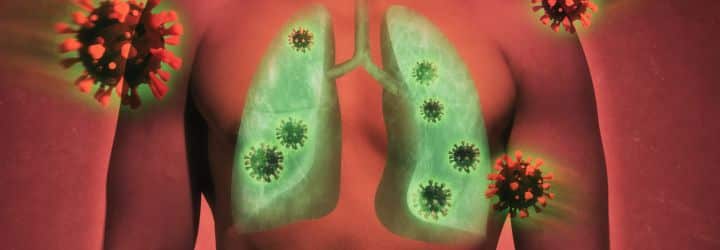
Why Fire Damage Can Be a Health Issue
A fire can alter the nature of the contents and building materials. As wood, plastics, fabric, insulation, paint, detergents and cleaning products, electronics, and other materials burn, they may emit gases and tiny particles into the smoke. That smoke then spreads through hallways, doorways, ventilation gaps and cracks, and ducts to settle throughout the premises. The U.S. Environmental Protection Agency (EPA) identifies fine particulate matter as the most hazardous component of smoke. Particulate matter is microscopic enough to be inhaled or absorbed by the eyes, where it can cause irritation and aggravate existing heart or respiratory disease. Additionally, the smoke may carry toxic chemicals from the burned synthetic materials. Soot on surfaces is only one sign that there are contaminants to contend with. Clear surfaces, closed rooms, closets, and HVAC components all may also contain residue. Taking quick action will enable restoration professionals to dispose of contaminated material, remove any salvageable items, and minimize airborne contamination.
Resource: epa.gov
Smoke and Soot Can Contaminate Air Quality
Smoke may be found in the air or as a residue after the fire has been extinguished. Walking around the affected area, dry cleaning clothing, vacuuming without the proper equipment, or running the heating and cooling system can all disperse particles in the settled smoke.
Smoke exposure may cause:
- Irritated or watery eyes
- A stuffy nose
- Coughing
- Wheezing
- A constricted feeling in the chest
- Headache
- Difficulty breathing
- Skin or throat irritation
Anyone with asthma, COPD, heart disease, or other pulmonary ailments, as well as children, older people, and pregnant ladies, may be especially susceptible to health complications from smoke and soot. Removing smoke and soot from walls, floors, and other surfaces is vital to limiting contamination. It’s also necessary to evaluate ductwork, which may contain harmful residue, as well as other inaccessible areas.
Fire Soot and Debris Can Impact the Respiratory System
Fire debris can contain particles from a wide variety of sources. This means soot from a building fire can include anything that burned in the structure. Given that homes contain synthetic materials, metals, treated wood, electronics, and other household chemicals, soot and fire debris may pose serious health risks. Inhaled smoke and debris can irritate the eyes, skin, nose, throat, and lungs. Wet smoke and fire residue can also cause skin irritation or chemical burns in some cases. In addition to failing to contain the damage, ordinary vacuuming and dry cleaning can leave particles of fire residue behind. A restoration technician can salvage materials, often including HEPA filtering and damp cleaning. The goal is to remove rather than redistribute particulate matter.
Firefighting Water Can Lead to Mold Conditions
Firefighters’ water use can affect the drywall, insulation, carpet, subflooring, studs, cabinetry, and furniture. Rain or snow might get in through holes in the roof or cracked or smashed windows following the fire. When wet materials stay wet for too long, mold can grow there. CDC recommends that any items soaked for 24-48 hours may be considered mold-contaminated. If anyone exposed to mold has eye irritation, a rash, allergies, coughs, wheezes, or asthmatic symptoms, this may be caused by mold. Fire remediation must begin with water extraction and drying of the structures. Readings will determine which parts are wet.
What the Fire Damage Restoration Process May Include
A fire damage plan will depend on the kind of fire, which materials burned, where, and the extent of smoke, soot, water, and structural damage. A restoration plan may include:
- Emergency inspection of property and determination of whether it is safe.
- Protecting the site, such as by covering holes in a roof or broken windows and doors.
- Extracting water and drying or removing damp materials.
- Removing debris.
- Cleaning residual smoke and soot in the home from walls, contents, and accessible components.
- Treating odors by identifying sources and taking steps to eliminate them rather than simply masking with scents.
- Making repairs to drywall, insulation, flooring, roof, electrical components, plumbing, and cabinets.
- Inspection of completed work.
ANSI/IICRC S700 describes a process that includes inspection and remediation of smoke and soot, HVAC inspection, air quality testing for odor, documentation, and post-restoration inspection. Delayed fire damage restoration efforts permit smoke and odor to sink further into porous materials and make exposure more problematic.
A quick response can:
- Reduce the spread of soot and ash.
- Remove wet materials before mold grows.
- Locate structural hazards.
- Prevent people from using compromised electrical systems.
- Separate salvageable contents from items that should be discarded.
- Support more accurate insurance claim documentation.
- Aid in getting you back into a safe environment faster.
Fast response doesn’t mean rushing into unsafe conditions or beginning any demolition prior to clearance. First, receive clearance from emergency personnel, then a trained professional.
Who Should Avoid Areas Involved in Fire Cleanup
Children and pets should stay away from ash, soot, debris, and clean-up operations. Anyone with asthma, heart or lung disease, an immunocompromised condition, or pregnancy should take extra care to stay away. Anybody who experiences chest pain, difficulty breathing, confusion, feeling faint, or any worsening respiratory symptoms after smoke exposure should contact their doctor or 911 immediately. Less severe symptoms should also be addressed with your doctor.
Signs You Need Fire Damage Repair
Get help if you see any of these:
- Smoke odors continue.
- Black, sooty, or oily substances remain on walls, ceilings, floors, or other surfaces.
- There’s ash in rooms not affected by fire.
- There is soot around vents.
- Drywall, carpet, pad, insulation, or other flooring is wet or shows water damage.
- The ceiling is sagging, or the floor is warping.
- Electrical outlets, switches, or wiring are damaged.
- Staining continues to surface, even if you clean it.
- Occupants experience respiratory distress inside.
- There are potentially hazardous materials in debris.
Smoke may travel throughout an entire home, even after a smaller fire. An inspection will better define the extent of the damage that needs to be cleaned up.
Colorado Springs Fire Damage Repair
If your Colorado Springs home or business has a damaged roof, window, door, or wall left open to wind and precipitation, or to temperatures below freezing, you may face added damage from the weather. Drying time can take longer depending on local weather conditions. CMS Restoration offers 24/7 fire damage restoration and repair for Colorado Springs homes and businesses. CMS Restoration can assist with assessments, debris and water removal, soot and smoke cleanup, and both interior and exterior structural repairs.
When Is It Safe to Return Home After Fire Damage?
Return only when officials from your emergency department and qualified professionals have declared the area safe from structural, electrical, and air quality issues and contamination hazards. What you see isn’t everything.
Final Thoughts
Fire damage may leave soot and smoke residue, moisture, and weakened structures throughout your home or business. A quick professional response can limit the exposure, avoid further damage, and get you back into a safe environment. Schedule an appointment with CMS Restoration for fire damage assessment and repair.