
A leaking outdoor spigot can look like a minor plumbing problem, especially when water only drips from the spout or handle. The real concern is where the water is going. A leak that reaches siding, wall cavities, a basement, a crawl space, or flooring can cause water damage that is much harder to see from the outside.
Colorado Springs homes also face freezing winter temperatures that can damage outdoor plumbing. A cracked hose bib or supply pipe may go unnoticed until the weather warms, or you use the faucet again. Knowing what to check and when to call for help can limit damage to your home.
Estimated reading time: 6 minutes
Key Takeaways
- Leaking spigots can cause serious water damage if the leak reaches hidden areas like walls or flooring.
- Common causes of leaks include worn washers, loose connections, and freeze damage from cold weather.
- It’s crucial to address any leaks promptly to prevent further damage and potential mold growth.
- Perform regular checks to catch leaks early, especially before winter and after thawing.
- Seek professional help if the leak has caused extensive damage or if moisture persists after repairs.
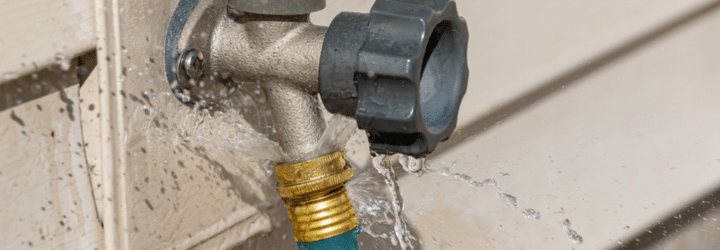
Table of contents
- Why Is My Outdoor Spigot Leaking?
- Is a Dripping Spigot Serious?
- What Should I Do First?
- Why Do Spigots Leak After Winter?
- Can a Frost-Free Spigot Leak?
- Can a Spigot Cause Water Damage?
- Can a Leak Lead to Mold?
- When Should I Call for Restoration Help?
- How Can I Prevent Future Leaks?
- Need Help After a Spigot Leak?
Why Is My Outdoor Spigot Leaking?
Outdoor spigots, also called hose bibs or outdoor faucets, can leak for several reasons. Where the water appears often provides the first clue.
Common causes include:
- A worn washer or seal inside the faucet
- A loose packing nut near the handle
- A damaged vacuum breaker or anti-siphon device
- A cracked faucet body
- A loose or damaged connection inside the wall
- Freeze damage to the spigot or supply pipe
A drip from the end of the spout may point to a worn internal part. Water leaking around the handle often suggests a packing or seal problem. Water appearing inside the home when you turn on the spigot can indicate a damaged pipe or connection behind the wall.
Is a Dripping Spigot Serious?
A slow drip may not require emergency restoration, but you shouldn’t ignore it. Water can collect against exterior walls, seep through gaps, or keep nearby building materials damp.
The situation is more urgent if you notice water inside the house, drywall staining, damp flooring, wet insulation, or moisture in a basement or crawl space. These signs may mean the problem extends beyond the outdoor fixture.
Resource: fema.gov
What Should I Do First?
Start by stopping the water source if you can do so safely.
- Turn the outdoor spigot off completely.
- Disconnect any hose or attachment.
- Close the indoor shutoff valve for that outdoor line if your home has one.
- Check the interior side of the wall for water, staining, or damp materials.
- Turn off the home’s main water supply if water is actively entering the property and the local shutoff does not stop it.
- Contact a qualified plumber to repair the leaking fixture, valve, or pipe.
If water has reached walls, flooring, ceilings, insulation, or other building materials, the plumbing repair may only solve the source of the problem. Wet materials may still need extraction, drying, and restoration.
Why Do Spigots Leak After Winter?
Freezing temperatures can be hard on outdoor plumbing. Water left inside a spigot or pipe can freeze, placing pressure on the fixture or line. Damage may occur inside the wall, where it isn’t visible from the outside.
A frost-free spigot lowers the risk when it is installed and used correctly, but it can still be damaged if water remains trapped inside. Leaving a garden hose attached can prevent proper drainage on some frost-free models.
Spring is a useful time to watch outdoor faucets closely. Check the interior wall, basement, or crawl space while someone turns the spigot on outside. Unexpected moisture indoors may point to a hidden break.
Can a Frost-Free Spigot Leak?
Yes. Frost-free models are designed to place the shutoff point farther inside the home, where temperatures are usually warmer. They can still leak due to worn parts, improper installation, trapped water, or freeze damage.
A frost-free label doesn’t mean you should ignore the fixture in cold weather. Disconnect hoses before freezing temperatures and follow the manufacturer’s winter care instructions for the model installed at your home.
Can a Spigot Cause Water Damage?
Yes, especially when the leak is behind the exterior wall rather than at the visible faucet.
Hidden water may affect:
- Drywall and insulation
- Wood framing
- Baseboards and trim
- Basement or crawl-space materials
- Flooring near the exterior wall
The longer materials stay wet, the greater the chance that more of the surrounding area will need drying or repair. A moisture inspection can help determine how far the water traveled beyond the visible area.
Can a Leak Lead to Mold?
Ongoing moisture can create conditions where mold may grow. A small plumbing leak can become more complicated when water repeatedly reaches drywall, insulation, wood, or other porous materials.
A musty odor, staining, peeling paint, or damp materials near the affected wall can signal that the area needs closer inspection. Fixing the spigot alone may not address moisture already trapped inside the structure.
When Should I Call for Restoration Help?
Water damage restoration may be appropriate when a leaking outdoor spigot has allowed water into the structure.
Consider professional water damage help when:
- Water has entered a wall, basement, or crawl space
- Flooring, drywall, or insulation is wet
- The leak went unnoticed for an unknown period
- Moisture remains after the plumbing repair
- Staining or a musty odor appears near the affected area
- A frozen or burst line released a significant amount of water
A plumber repairs the source of the leak. A restoration company addresses the water that has already entered the property and the materials it affected.
How Can I Prevent Future Leaks?
Routine checks can catch outdoor faucet problems before they affect the home. Disconnect garden hoses before freezing weather, especially from frost-free spigots that need to drain after use. Check each outdoor faucet for drips during warmer months and look inside the home for moisture when you first use the spigot after winter. If your plumbing setup includes an indoor shutoff valve for the outdoor line, follow the proper winterization steps for that system.
A plumber should inspect older fixtures, damaged valves, or recurring leaks. Small leaks are easier to address before water reaches hidden parts of the home.
Need Help After a Spigot Leak?
Repairing an outdoor faucet doesn’t always resolve water damage. Moisture can remain inside walls, under flooring, or in other areas that are difficult to check without proper equipment.
CMS Restoration provides water damage mitigation and restoration services for homes and businesses in Colorado Springs and surrounding communities. The team can inspect affected areas, remove water, dry wet materials, and complete restoration work when needed. If a leaking outdoor spigot has caused water damage inside your property. Contact CMS Restoration for 24/7 emergency assistance.