
Fall is a good time for Colorado Springs homeowners to inspect their properties for moisture problems before winter arrives. Cooler temperatures, occasional rainfall, and early snowfall can expose roof leaks, drainage issues, and condensation around windows.
Although Colorado has a relatively dry climate, mold can still develop wherever moisture remains trapped. According to the U.S. Environmental Protection Agency (EPA), mold can grow in damp materials within 24 to 48 hours.
This fall mold prevention checklist covers six areas of your home worth inspecting, common warning signs, and when to seek professional help.
Resource: epa.gov
Estimated reading time: 6 minutes
Key Takeaways
- Inspect your roof, gutters, and downspouts this fall to prevent moisture buildup near your foundation.
- Check basements, crawl spaces, and foundation walls for dampness and potential leaks.
- Monitor condensation around windows and ensure proper ventilation in kitchens and bathrooms to prevent mold.
- Maintain indoor humidity below 60% and prepare plumbing for freezing temperatures to avoid water damage.
- Watch for early warning signs of mold, such as musty odors, discoloration, and recurring water stains.
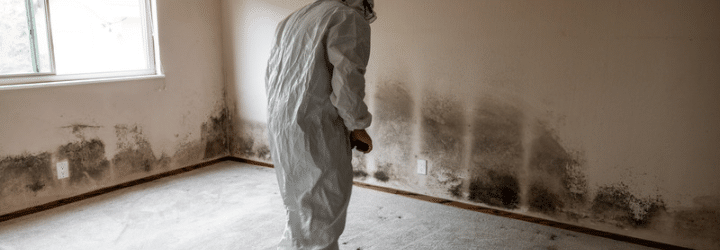
Table of contents
Why Is Fall Mold Prevention Important in Colorado Springs?
Changing fall weather can expose moisture problems that have gone unnoticed during warmer months. Clogged gutters can let water collect near foundations, damaged roofs can let rain or melting snow into attics, and colder surfaces can cause indoor condensation. Even minor plumbing leaks can leave surrounding drywall, insulation, or flooring damp for extended periods.
Addressing these problems before winter can help protect your home’s building materials and reduce the likelihood of mold damage.
What Should Be on Your Fall Mold Prevention Checklist?
Inspect Your Roof, Gutters and Downspouts
Fallen leaves and debris can block gutters, causing water to overflow toward exterior walls or collect near the foundations. Damaged roofing may also allow moisture into your attic.
Fall inspection checklist:
- Clear leaves and debris from gutters.
- Make sure downspouts direct water away from the foundation.
- Check for missing or damaged roof shingles.
- Look for water stains on ceilings and accessible attic surfaces.
- Inspect visible flashing and roof penetrations for damage.
New water stains or damp insulation may indicate a leak that needs professional attention. Leave roof inspections requiring climbing or access to unsafe areas to a qualified contractor.
Check Basements, Crawl Spaces, and Foundation Walls
Basements and crawl spaces can develop moisture problems due to poor drainage, foundation leaks, or plumbing issues.
Fall inspection checklist:
- Look for damp patches or discoloration on foundation walls.
- Check basement windows for signs of water intrusion.
- Inspect exposed pipes for leaks.
- Examine stored belongings for moisture damage.
- Check for musty odors or visible mold.
If dampness keeps returning, investigate its source. Cleaning the affected surface without addressing the moisture problem may allow mold to return.
Watch for Condensation Around Windows
Cooler outdoor temperatures can cause moisture in warm indoor air to collect on cold windows and surrounding surfaces.
Recurring condensation may eventually damage wooden frames, drywall, and trim.
Fall inspection checklist:
- Check windows and sills for recurring moisture.
- Dry condensation before it accumulates.
- Inspect window seals and weatherstripping.
- Look for peeling paint or discoloration around frames.
Persistent condensation may indicate a ventilation, insulation, or humidity problem that needs attention.
Inspect Bathrooms, Kitchens and Laundry Rooms
Everyday activities such as showering, cooking, and washing clothes introduce moisture into indoor spaces. Plumbing leaks and poor ventilation can make these rooms particularly vulnerable.
Fall inspection checklist:
- Use bathroom exhaust fans during and after showers until excess moisture clears.
- Check beneath sinks and around toilets for leaks.
- Inspect caulking and grout for gaps or damage.
- Make sure the clothes dryer vents outdoors.
- Check washing machine hoses and dishwasher connections.
Check cabinets and other enclosed spaces, where leaks can remain hidden for weeks.
Monitor Indoor Humidity and Ventilation
Indoor humidity can contribute to mold growth, particularly in rooms where moisture becomes trapped. The EPA recommends maintaining relative humidity below 60%, ideally between 30% and 50% where practical.
Fall inspection checklist:
- Use a hygrometer to measure indoor humidity.
- Check that kitchen and bathroom exhaust fans work properly.
- Avoid setting humidifiers too high during colder weather.
- Inspect HVAC condensate drains and pans where applicable.
- Investigate recurring dampness or condensation.
A dehumidifier may help manage indoor moisture, but you still need to repair leaks and other underlying problems.
Prepare Your Plumbing for Freezing Temperatures
Early freezing temperatures can put exposed or poorly protected pipes at risk. A frozen pipe may burst, allowing water to soak into walls, flooring, and insulation.
Fall inspection checklist:
- Disconnect garden hoses before freezing weather.
- Winterize outdoor faucets where necessary.
- Insulate vulnerable pipes in unheated spaces.
- Check around water heaters and plumbing connections for leaks.
- Locate your home’s main water shutoff valve.
If a pipe bursts, shut off the water supply when safe and arrange repairs promptly. Water trapped beneath flooring or behind walls may require professional drying.
What Are the Early Warning Signs of Mold?
Mold can develop in concealed areas, including behind drywall and beneath flooring. Homeowners should watch for:
- Musty odors: May indicate hidden moisture or microbial growth.
- Visible discoloration: Dark, greenish, or other unusual patches may warrant further investigation.
- Peeling paint or bubbling drywall: Can suggest moisture beneath the surface.
- Warped flooring or baseboards: May indicate prolonged water exposure.
- Recurring water stains: Can point to an unresolved leak.
These signs do not always confirm mold growth, but they warrant investigation, especially when accompanied by dampness.
Frequently Asked Questions About Fall Mold Prevention
Can Mold Grow During Winter in Colorado Springs?
Yes. Mold can grow indoors during winter when moisture and temperatures are right. Plumbing leaks, condensation, and damp building materials can create favorable conditions even when outdoor temperatures are below freezing.
How Quickly Can Mold Grow After a Water Leak?
Mold may begin growing within 24 to 48 hours under suitable conditions. The EPA recommends drying affected materials within this period whenever possible. Prompt water removal and thorough drying can help prevent further damage.
Resource: epa.gov
Does Colorado’s Dry Climate Prevent Mold?
No. Colorado’s dry climate may help some materials dry faster, but trapped moisture from leaks, condensation, or poor drainage can still support mold growth.
Can Homeowners Remove Mold Themselves?
Homeowners can manage small areas of mold on hard surfaces with proper protective equipment and safe cleaning methods. The EPA generally uses an affected area of about 10 square feet as a guideline for deciding whether professional help is needed.
Larger affected areas, contaminated water damage, or mold affecting porous materials may require professional remediation.
Is Mold Testing Necessary Before Winter?
Routine testing is not always necessary when mold is already visible. Identifying the moisture source and addressing affected materials is usually more important. A professional assessment may be appropriate if you suspect hidden mold or the extent of damage is uncertain.
When Should I Contact a Mold Remediation Company?
Consider professional help when mold covers a substantial area, keeps returning after cleaning, or may be affecting concealed building materials. Significant water damage and materials that cannot be dried promptly also warrant professional assessment.
Final Thoughts
A fall inspection can help identify moisture problems before they lead to more extensive property damage. However, water can remain trapped behind walls, beneath flooring, or inside insulation even when visible surfaces appear dry.
CMS Restoration provides professional mold mitigation, water damage restoration, and structural repairs for homeowners in Colorado Springs and surrounding areas. If you’ve found mold or experienced water damage, contact CMS Restoration to schedule an appointment.