
As temperatures drop in Colorado Springs, homeowners should inspect their plumbing for leaks and potential water damage. A loose connection, damaged pipe, or unnoticed leak can leave water trapped beneath flooring, behind cabinets, or inside walls.
Plumbing problems can happen year-round, but fall is a great time to address them before freezing winter temperatures arrive.
At CMS Restoration, we’ve seen how a relatively small plumbing failure can affect multiple areas of a home. One kitchen leak we responded to extended into an unfinished basement, requiring water mitigation and the removal of affected materials.
Here are steps homeowners can take to reduce the risk of plumbing leaks and water damage this fall.
Estimated reading time: 7 minutes
Key Takeaways
- Inspect plumbing for leaks and signs of water damage as temperatures drop in Colorado Springs.
- Common causes of plumbing leaks include loose connections, aging materials, and outdoor plumbing at risk of freezing.
- Take preventive steps like checking pipes, appliances, and outdoor plumbing before winter.
- Know where your main water shutoff valve is located to respond quickly if a leak occurs.
- Contact a licensed plumber if you find a leak and consider professional assistance for water damage restoration.
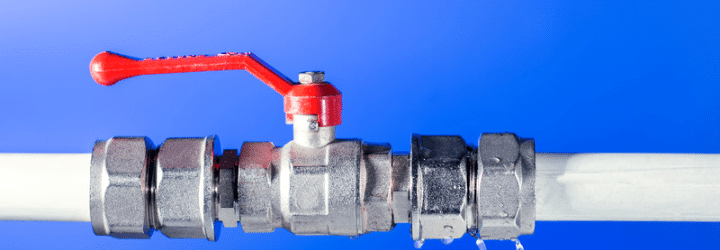
Table of contents
- What Are the Most Common Causes of Plumbing Leaks During Fall?
- How Can You Prevent Plumbing Leaks and Water Damage This Fall?
- How Did CMS Restoration Address the Water Damage?
- What Should You Do If You Find a Plumbing Leak?
- Frequently Asked Questions About Plumbing Leaks and Water Damage
- Need Water Damage Restoration in Colorado Springs?
What Are the Most Common Causes of Plumbing Leaks During Fall?
Several plumbing problems can cause unexpected water damage, especially when existing weaknesses go unnoticed.
Common causes include:
- Loose or damaged pipe connections: Worn fittings and damaged connectors can let water escape under sinks or behind appliances.
- Aging plumbing materials: Corrosion and deterioration can cause leaks in older plumbing systems.
- Damaged appliance hoses: Washing machines, dishwashers, and refrigerators with water connections can leak when hoses or fittings fail.
- Outdoor plumbing exposed to freezing temperatures: Water left in vulnerable pipes and fixtures can freeze, potentially causing cracks or bursts.
- Unnoticed plumbing leaks: Slow leaks under cabinets or inside walls can cause damage before homeowners notice a problem.
Regular inspections help homeowners spot warning signs and schedule repairs before a plumbing failure causes extensive damage.
How Can You Prevent Plumbing Leaks and Water Damage This Fall?
1. Inspect Pipes and Plumbing Connections
Check accessible plumbing beneath sinks, around toilets, and near water heaters for moisture, corrosion, or loose fittings.
Water stains, damp cabinets, and unexplained puddles may indicate a plumbing problem. If you notice a leak, arrange for a licensed plumber to identify and repair the source.
2. Check Appliances That Use Water
Dishwashers, washing machines, and refrigerators with water dispensers or ice makers have connections that may deteriorate over time.
Inspect accessible hoses and fittings for cracks, dampness, or signs of wear. Replace damaged components according to the manufacturer’s recommendations. Pay close attention to areas behind appliances where water can go unnoticed.
3. Prepare Outdoor Plumbing for Freezing Temperatures
Colorado Springs can experience freezing temperatures in fall, so early plumbing maintenance matters. Disconnect garden hoses, winterize outdoor faucets where necessary, and protect vulnerable pipes in unheated areas.
4. Know Where Your Main Water Shutoff Valve Is Located
Finding your home’s main water shutoff valve before an emergency can help you respond quickly if a pipe bursts or a connection fails. Make sure household members know where the valve is located and how to operate it safely.
Shutting off the water supply promptly can limit the amount of water released, although affected materials may still require professional drying.
5. Check for Hidden Water Damage
Plumbing leaks do not always leave visible puddles. Water can travel beneath flooring, through cabinets, and into lower levels of a home.
Watch for warped flooring, peeling paint, damp drywall, unusual odors, or new ceiling stains.
If you suspect hidden moisture, a professional water damage assessment may be necessary to determine which materials are affected.
What Happens When a Kitchen Plumbing Leak Reaches the Basement?
A kitchen plumbing leak can affect more than the area immediately surrounding the damaged pipe. CMS Restoration responded to a property where water had leaked from the kitchen into the basement below.
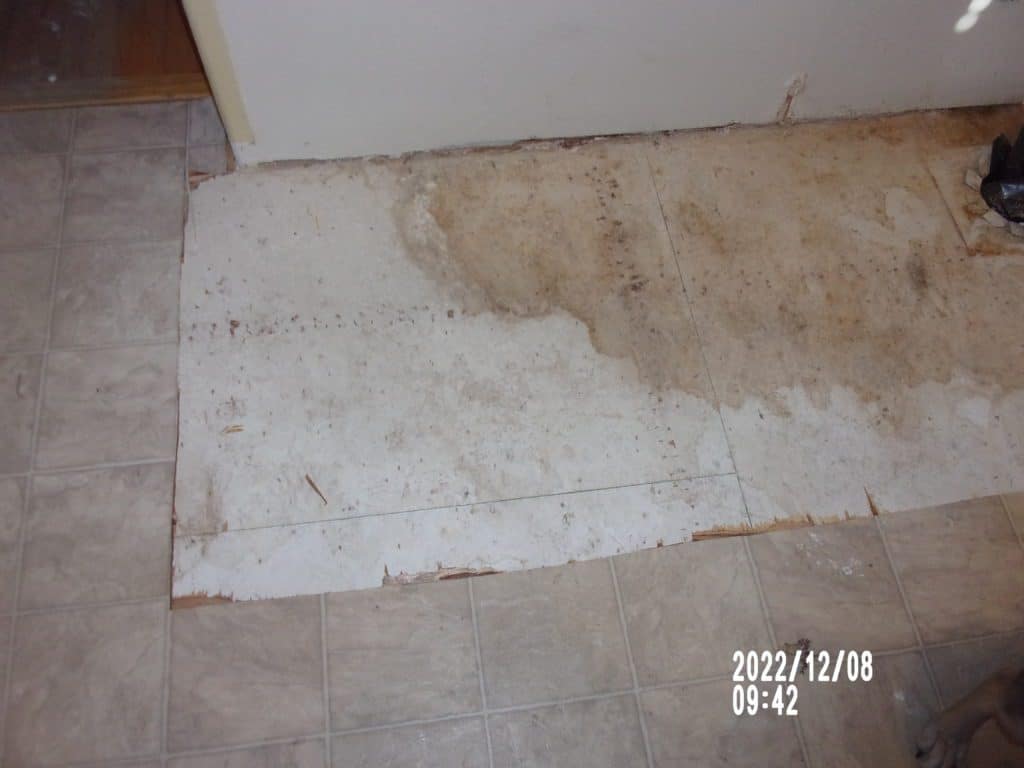
Our water mitigation crew inspected the damage and identified a split in a corner splitter as the source of the leak. Fortunately, the basement was unfinished, and only some exercise equipment got wet.
How Did CMS Restoration Address the Water Damage?
Our team removed the countertop and cabinets to access the affected flooring underneath. Once these were out of the way, we demolished the affected sheet vinyl flooring. Removing these materials let us position drying equipment where needed to dry the subfloor and wet drywall.
After a couple of days, the affected areas had dried, and our crew removed the drying equipment. We then handed the project over to our rebuilding team to begin restoring the kitchen.
This project demonstrates how water from a plumbing leak can travel into other parts of a home, even when the damage appears to originate in one room.
CMS Restoration handles projects of varying sizes, from relatively small kitchen repairs to more extensive property damage. Learn more about our interior building restoration services.
What Should You Do If You Find a Plumbing Leak?
Acting promptly can help limit water damage and reduce the risk of moisture-related problems.
- Shut off the water supply if you can safely access the appropriate valve.
- Contact a licensed plumber to identify and repair the leak.
- Keep clear of electrical hazards and avoid entering areas where water may have reached electrical equipment.
- Move unaffected belongings away from the water when it is safe.
- Document visible damage with photographs for your records and any insurance claim.
- Contact a water damage restoration company if flooring, drywall, cabinetry, or other building materials have become wet.
According to the Environmental Protection Agency (EPA), you should generally dry wet materials within 24 to 48 hours to help prevent mold growth.
Professional drying may be necessary when water enters concealed spaces or affects materials that cannot dry on their own.
Resource: epa.gov
Frequently Asked Questions About Plumbing Leaks and Water Damage
Can a small plumbing leak cause serious water damage?
Yes. Even a small leak can damage flooring, drywall, cabinets, and other building materials if you don’t notice it. Water may also travel through openings in the structure and affect rooms below the original leak.
How can I tell if water has leaked beneath my kitchen flooring?
Warning signs may include warped flooring, loose tiles, discoloration, dampness, or a musty odor. Some leaks damage the subfloor without obvious signs, so a professional moisture assessment helps when hidden damage is suspected.
How long does it take to dry a kitchen after a plumbing leak?
Drying time depends on the amount of water, the materials affected, and how far moisture has traveled. Some projects may dry within a few days, while others require longer. In the CMS Restoration kitchen leak case, the affected areas were dry after a couple of days of mitigation work.
Does homeowners insurance cover plumbing leak damage?
Coverage depends on the insurance policy and the cause of the leak. Some policies cover sudden and accidental water damage, while others exclude damage from ongoing leaks or poor maintenance. Review your policy and contact your insurer to confirm what coverage applies.
When should I call a water damage restoration company?
Consider professional assistance if water has reached drywall, subfloors, insulation, or other building materials. Restoration specialists can assess moisture damage and determine whether extraction, drying, or material removal is necessary.
Need Water Damage Restoration in Colorado Springs?
Fall plumbing maintenance can help homeowners spot problems before winter weather arrives. However, unexpected leaks can still happen, and moisture may spread farther than it initially appears.
Whether you’re dealing with a kitchen leak, wet flooring, or water damage affecting multiple rooms, our team can assess the affected areas, carry out necessary mitigation work, and assist with rebuilding. Contact CMS Restoration to discuss your water damage concerns and learn more about our restoration services.